Pier and Beam Foundation Repair for Greenville, SC Homes
Some houses in Greenville, SC and elsewhere in Greenville County stand on piers and beams, with a wood-framed floor lifted above the soil. Here is what a raised floor can tell you and what a specialist may put forward.
Where is the house? See if we take requests there ↓
Ask About This Kind of Work
Describe what you have noticed at the house (cracks, a door that binds, a floor that tilts) and name the town it is in. One local foundation specialist reads it and may get in touch about coming out.
Your request goes to one independent foundation contractor serving the Greenville, SC area, and that contractor decides whether to contact you. We never look over a house, set prices, make bids, arrange visits, or carry out, oversee or guarantee repairs.
How Pier and Beam Homes Settle
In a home on piers and beams over a crawl space, the load passes from subfloor to joists, from joists to beams, and from beams to masonry piers or wood posts, with thin shims filling any space between. Trouble at one link can show up in the rooms above. Treat these as clues, not a verdict:
- Floors that tilt. A ball rolls one way, or a hollow forms mid-room.
- Bounce when you walk. It can point to joists spanning too far, or to a support below that has dropped.
- Sticking doors. Frames can go out of square when the framing beneath them moves.
- Supports out of line. A brick pier that leans or flakes, or a post shifted off its pad.
- Wet below. Puddles, mud or a mildew smell in the crawl space.
In the Piedmont around Greenville, SC, red clay subsoils can drain slowly, and older stream terraces or creekside ground can hold moisture longer. Where part of a crawl space stays wet while the rest dries, one pier can settle more than its neighbor. The National Weather Service's long-term records for the area span both extremes: no measurable rain in October 2000, and 19.52 inches in August 1908, the wettest month on file. Damp under a house can invite wood rot, so ask the specialist to flag any soft lumber.
The Scope of Pier and Beam Repair
The plan follows the specialist's trip underneath; it may be small or nothing.
- Shims. Steel shims added or replaced where a beam no longer bears on its support.
- More or new supports. Posts or piers added mid-span, or swapped for worn ones.
- Beams. Braced, doubled or replaced in sections where they sag or have softened.
- Joists. Sistered with fresh lumber, or replaced, where cracked or bowed.
- Drainage. Gutter extensions or regrading so runoff stays clear of the crawl space.
Ask the specialist about vents, vapor barriers or encapsulation; we provide none of these, nor any plumbing, sump, dehumidifier, HVAC or wiring work.
What Pier and Beam Repair Usually Costs
These rows are national ranges from home-cost sites, with no Greenville, SC or South Carolina figure among them. We never price, quote or bid; the specialist's written estimate sets the real number.
| Cost row | Figure | Source (year) |
|---|---|---|
| Pier and beam repair | about $2,000 to $15,000 or more | HomeGuide (2026) |
| House leveling | shims about $1,000 to $3,500; extensive underpinning about $10,000 to $20,000 | HomeGuide (2026) |
| Structural engineer's report | about $500 to $1,000 | This Old House (2026) |
Crawl-space height, framing and the permit sway the total. Our cost calculator models exterior piers, so its range is rough for raised floors; the foundation repair cost guide explains each row.
How Pier and Beam Repair Is Usually Done
- Tell us about the floors. We hand your description to one local foundation specialist, who contacts you by phone or email if it can help.
- The crawl-space check. The specialist looks at every support, beam and joist and reads floor levels upstairs.
- The specialist's written estimate. If work seems warranted, it should list each repair, the warranty and the price.
- Permits. The specialist works out any permit. Inside Greenville, SC city limits, the City's permit packet lists repair and alteration work; its Building & Permit Center can confirm. For homes outside a city, Greenville County Building Safety answers at 864-467-7060; the County ties permits to altering or repairing a building.
- An engineer. Ask if a licensed professional engineer will review the framing plan, and whether the permit office needs sealed drawings.
- The work. The repair crew lifts beams in small steps, sets supports, repairs framing and rereads the floors.
Why Homeowners Choose Pier and Beam Repair
Raised-floor work is meant to spread the load evenly again and keep the framing drier. It can help floors feel firm and doors work smoothly.
Quick Answers on Pier and Beam Repair
How do I know my house is on piers and beams?
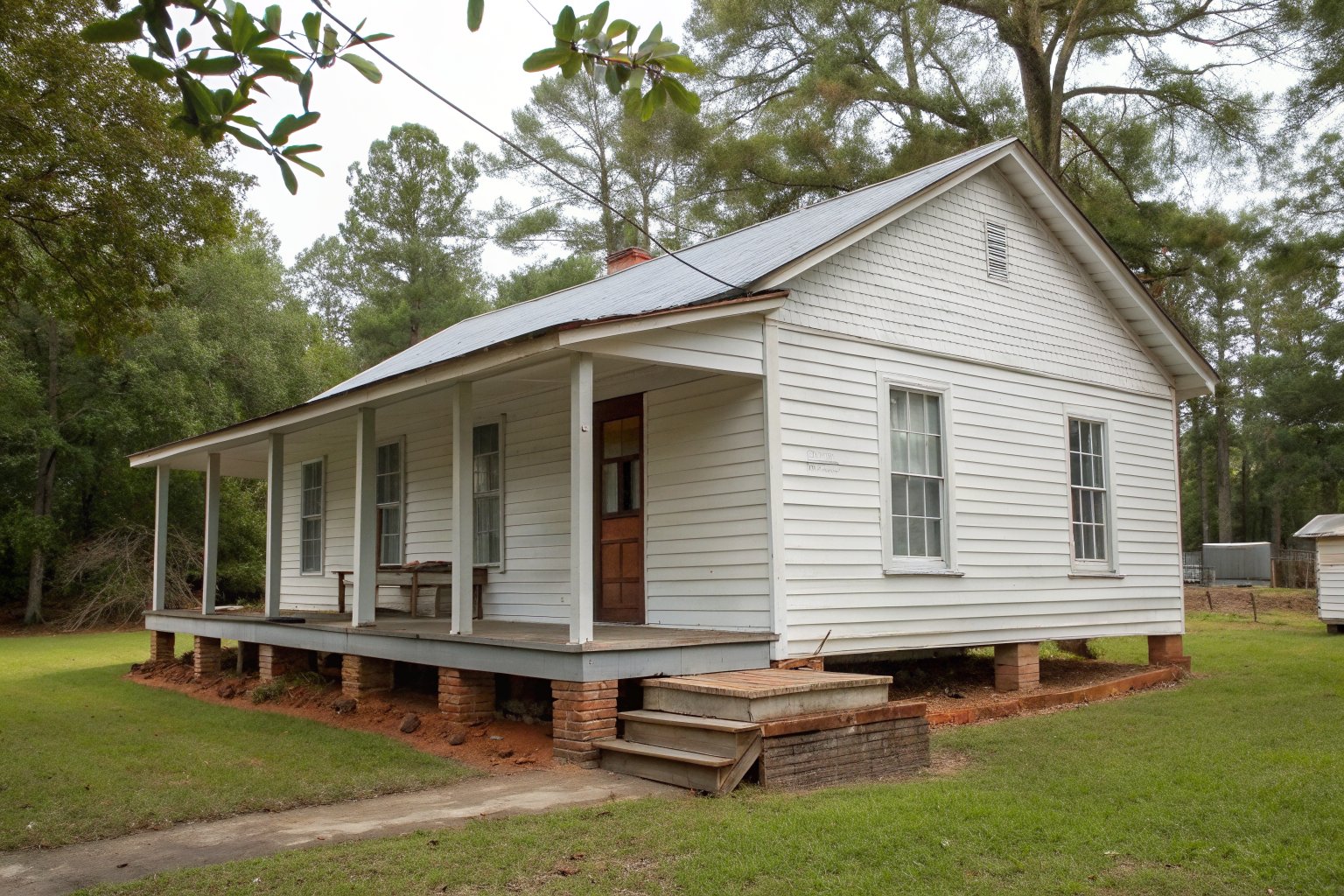
Look along the bottom of the exterior walls. Vent grilles or a crawl-space hatch give it away, and front steps rising to a raised entry are another hint. If you can't tell, say so in the request and the specialist can check.
Will reshimming be enough?
Sometimes. New shims restore contact between a beam and its support, which helps when the piers and wood are sound. A split joist, a rotted beam or a dropped pier can call for more, which the specialist may raise after going underneath.
What state license should the contractor have?
South Carolina sets no license aside for foundation repair. Through the SC LLR Residential Builders Commission, specialty contractors register once a job tops $500, and residential builders need a license once it tops $5,000. Ask the specialist which it carries, find it on the SC LLR licensee lookup and confirm that name appears on your contract. More in South Carolina's rules for foundation work.
Is a wet crawl space cause for worry?
Point it out without alarm. Clogged vents, overflowing gutters or a dripping pipe can wet the soil, and damp that lingers can weaken wood over time. A leaking line goes to a state-licensed plumber under a separate permit; we do no plumbing.
If Pier and Beam Repair Isn't the Fit
Something else, or nothing, may suit a raised floor better: compare house leveling, foundation crack repair, slab foundation repair and our main foundation repair page, or try our foundation warning signs quiz first.
Start a Pier and Beam Request
Use the request form to say how the floors feel and what you have spotted below. One local foundation specialist receives it from us and chooses whether to visit, go into the crawl space or write an estimate. An old, steady slope might simply be worth keeping an eye on.