Foundation Repair Methods for Greenville, SC Homes
Owners in Greenville, SC, the seat of Greenville County, often spot a change before they see a cause: a door that binds, a crack stepping up brick, a floor with a new tilt. Here are likely causes, the methods a specialist may put forward and the questions that matter.
Where is the house? See if we take requests there ↓
Ask About This Kind of Work
Describe what you have noticed at the house (cracks, a door that binds, a floor that tilts) and name the town it is in. One local foundation specialist reads it and may get in touch about coming out.
Your request goes to one independent foundation contractor serving the Greenville, SC area, and that contractor decides whether to contact you. We never look over a house, set prices, make bids, arrange visits, or carry out, oversee or guarantee repairs.
Foundation Repair Methods, Plainly Described
Around Greenville, SC, the clues can be as small as trim easing off a wall. Each is worth showing a specialist, yet none alone proves the house has moved.
Greenville, SC lies in South Carolina's Piedmont, with the Blue Ridge Escarpment at the county's northern edge. SCDOT's engineering manual describes 5 to 70 feet of weathered, clayey residual soil over Piedmont rock, and USGS calls the thickness of saprolite there "extremely variable," so pier depth gets set at the house, never from a map. USDA rates the Cecil, Pacolet and Hiwassee series low for shrinking and swelling. Even so, clay subsoil can stay damp for days, and if one side of a house holds water while another dries, the footing can shift unevenly.
In the National Weather Service's long-term records for the area, with entries back to 1884, 2007 was the driest year (31.08 inches) and 2020 the second-wettest (73.70). On July 29, 2004, up to about 8 inches fell northwest of downtown Greenville, SC, and the Reedy River climbed higher than at any time since 1908. After a long dry spell or a soaking, a walk around the house to note new cracks is sensible.
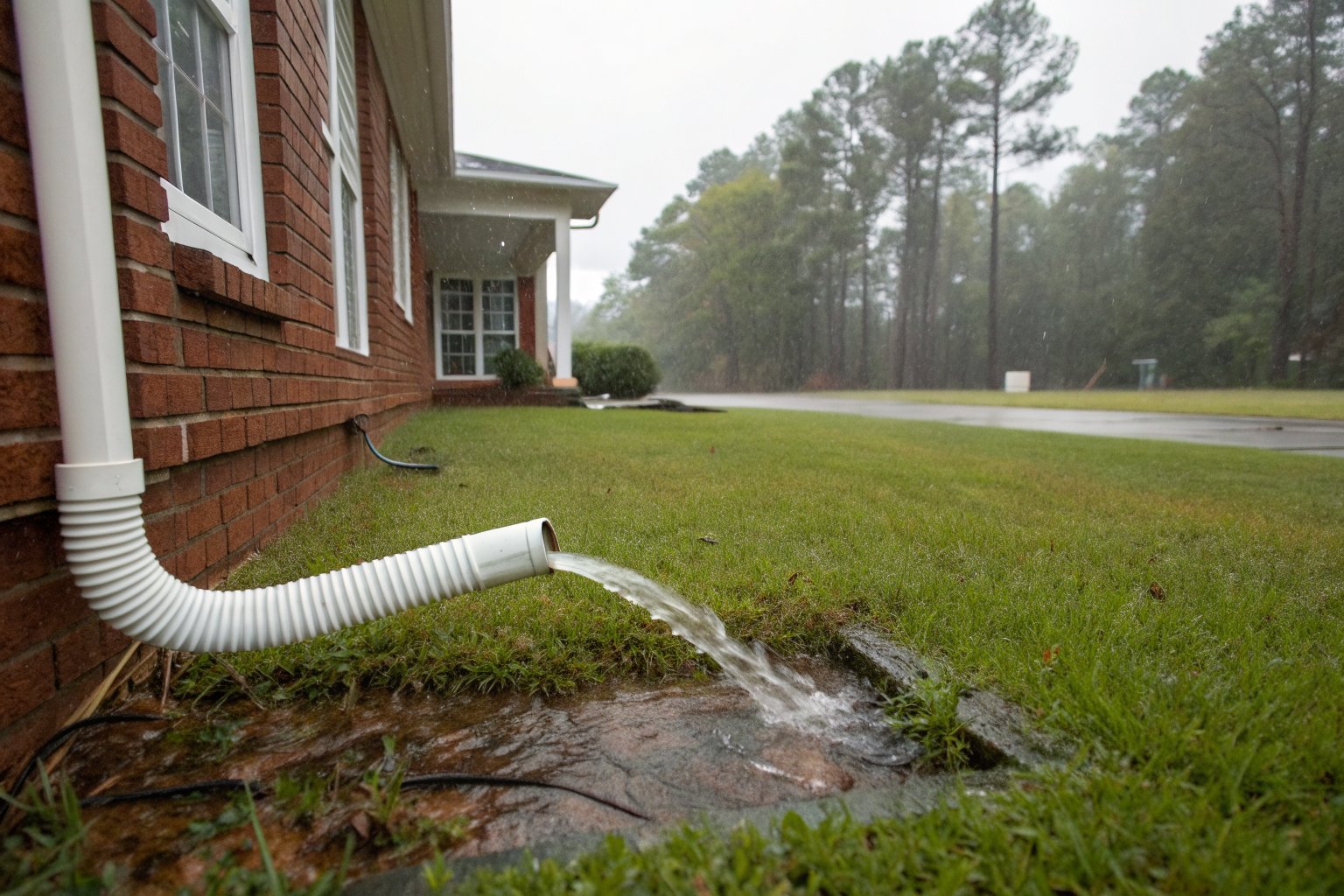
Leaking pipes, gutters spilling at the wall, a yard tipped inward or a big tree near one corner can also leave soil unevenly wet. Leaks belong to a state-licensed plumber; we offer no plumbing.
The Scope of Foundation Repair
We explain; we don't diagnose. A specialist's plan, if any, may include:
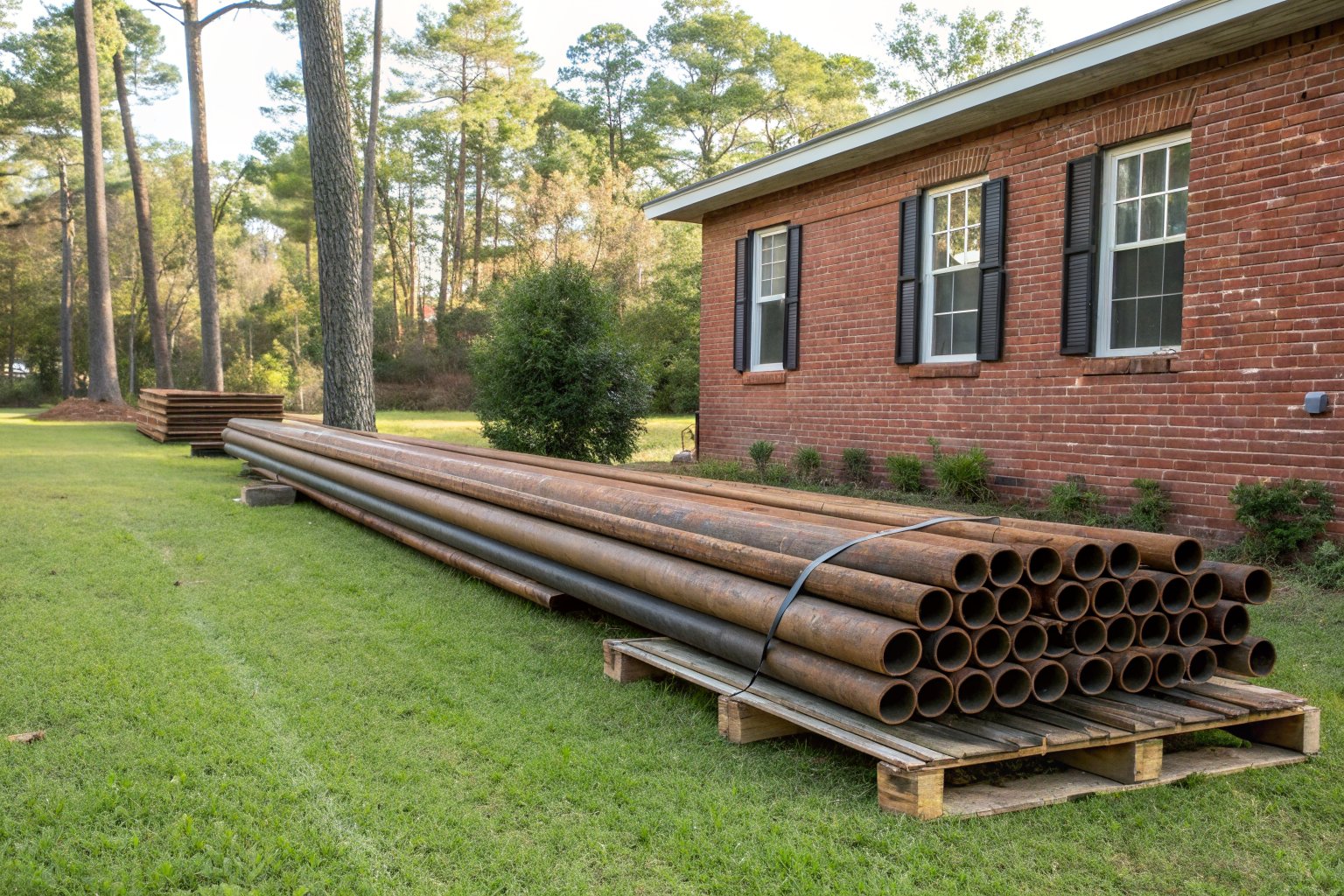
- Pressed or driven piers. Steel or concrete sections pushed down to firmer material.
- Helical piers. Steel shafts with screw-shaped plates, turned in and bracketed on.
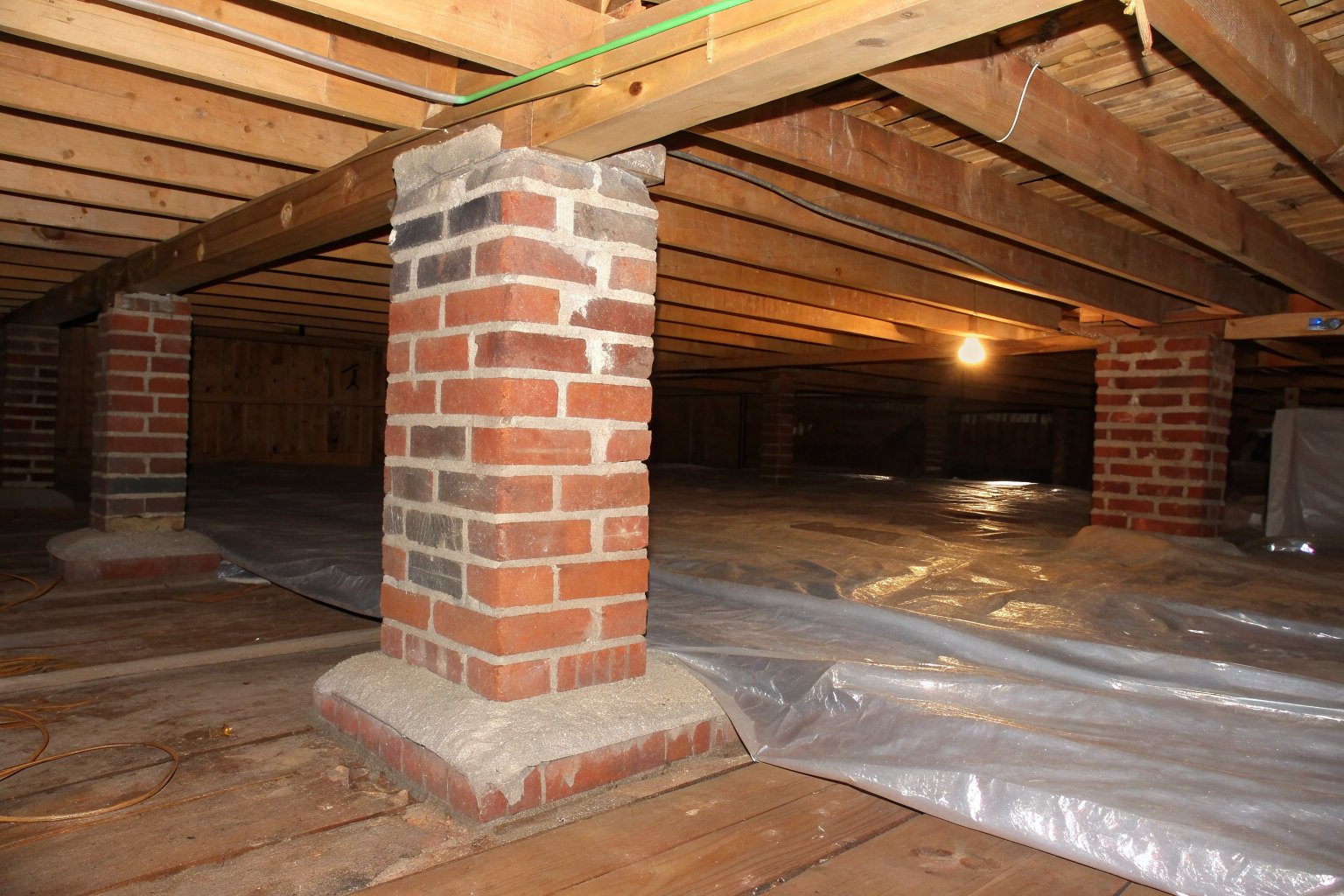
- Shims, posts and beams. For a raised floor: fresh shims, extra supports and beam repairs.
- Slab lifting. Grout or foam pumped under a settled piece of concrete.
- Gutters and grading. Reshaped soil and longer downspouts, both steering rain away.
What Foundation Repair Usually Costs
No Greenville, SC or South Carolina figure exists, so these rows come from national home-cost sites. We don't price, quote or bid on any job; the real number is the specialist's written estimate.
| Cost row | Figure | Source (year) |
|---|---|---|
| Typical foundation repair, national | about $2,224 to $8,134 (average about $5,179) | This Old House (2026) |
| Piers, per pier | about $1,000 to $3,000 | This Old House (2026) |
| Structural engineer's report | about $500 to $1,000 | This Old House (2026) |
Pier count, depth, access and the permit move the total; see the cost calculator or the foundation repair cost guide.
How Foundation Repair Is Usually Done
- You write in. We pass your note to a single local foundation specialist, who makes contact, usually by phone or email, if it can help.
- A look at the house. The specialist measures floor levels, studies cracks and checks gutters, grading and any crawl space.
- A written estimate, if work fits. It should name the method, the number, type, depth and placement of piers, the warranty and the price.
- Permits. These are the specialist's to sort out. Within Greenville, SC city limits, the City's permit packet names repair and alteration work; confirm with its Building & Permit Center. A Greenville mailing address doesn't always mean the City: beyond any city line, Greenville County says repairing or altering a building takes a permit (Building Safety, 864-467-7060).
- Flood zones. If the home may sit in a mapped flood zone, ask the City or County whether extra review applies.
- The work. The repair crew installs supports, raises the house gradually if planned and measures the floors again afterward.
Why Homeowners Choose Foundation Repair
Foundation work is meant to put firm, even support back under the section that shifted. Floors closer to level, doors that close cleanly and fewer new wall cracks are what it can help with.
Quick Answers on Foundation Repair
What does sending a request cost?
Nothing, and it commits you to nothing. If the specialist charges to come out or to write an estimate, that fee is its own, so ask first. Any contact comes from the specialist, not from us, and only if it can help with your home.
Which state license should the contractor hold?
South Carolina has no foundation repair license as such. A residential builder needs a Residential Builders Commission license once a job passes $5,000; a specialty contractor must register with that commission past $500. Ask which the specialist holds, look it up at verify.llronline.com and match the name to your contract. Inside city limits, the City's packet also asks anyone hired for an RBC or CLB license and a City business license. See South Carolina's rules for foundation work.
Will a structural engineer be involved?
Ask whether a licensed professional engineer will study the house and seal the repair design, and ask the permit office whether your job calls for sealed drawings. Get in writing who pays for any report.
What should the contract spell out?
Scope, pier details, price, start and finish dates, payment terms, who pulls the permit, who handles any plumbing, and whether the warranty passes to a buyer. Change orders should be signed, and any promise about cleanup or follow-up floor readings belongs in the document too.
If Foundation Repair Isn't the Fit
Narrower work, or nothing at all, may suit your house better: compare house leveling, slab foundation repair, foundation crack repair and pier and beam repair, or begin with the foundation warning signs quiz.
Send Details About the Foundation Problem
In the request form, describe what you've noticed and where. We pass it to one local foundation specialist, and any contact, visit or estimate is up to that specialist. A crack may only need watching, and no repair may be the right call for now.