House Leveling for Greenville, SC Homes
Floors sloping toward one wall, a door that drifts open by itself or a gap above the baseboard prompts some owners in Greenville, SC and across Greenville County to ask about leveling. Below: how the work differs between slab homes and raised floors, the national cost ranges, and why water near the house shapes any plan.
Where is the house? See if we take requests there ↓
Ask About This Kind of Work
Describe what you have noticed at the house (cracks, a door that binds, a floor that tilts) and name the town it is in. One local foundation specialist reads it and may get in touch about coming out.
Your request goes to one independent foundation contractor serving the Greenville, SC area, and that contractor decides whether to contact you. We never look over a house, set prices, make bids, arrange visits, or carry out, oversee or guarantee repairs.
Jacking, Piering and Re-Leveling Explained
If your home sits on a slab, any lift begins at the edges. The repair crew can press, drive or screw piers down beside the footing to firmer material, then raise the low section by degrees and hold it there. Some slabs are lifted with grout or foam pumped underneath.
With a raised floor over a crawl space, the work happens below. Jacks take weight off a low beam while shims fill the gap above a pier, a new post carries a sagging span, or a weak beam or joist gets reinforced.
Getting closer to level is the goal, never a promise. Framing has often settled into the slope, so lifting can open fresh drywall cracks, and a dead-flat floor may be out of reach. Ask what target the plan sets. Whether leveling makes sense at all is the specialist's call.
The Scope of House Leveling
We explain the parts; a local foundation specialist decides which, if any, suit your house.
- Floor readings. Measurements map the high and low spots.
- Piers under a slab's edge. Steel, concrete or helical piers along the low side can take the load after the lift.
- Shims, posts and beams. Under a raised floor, gaps can be shimmed, tired posts swapped and beams or joists strengthened.
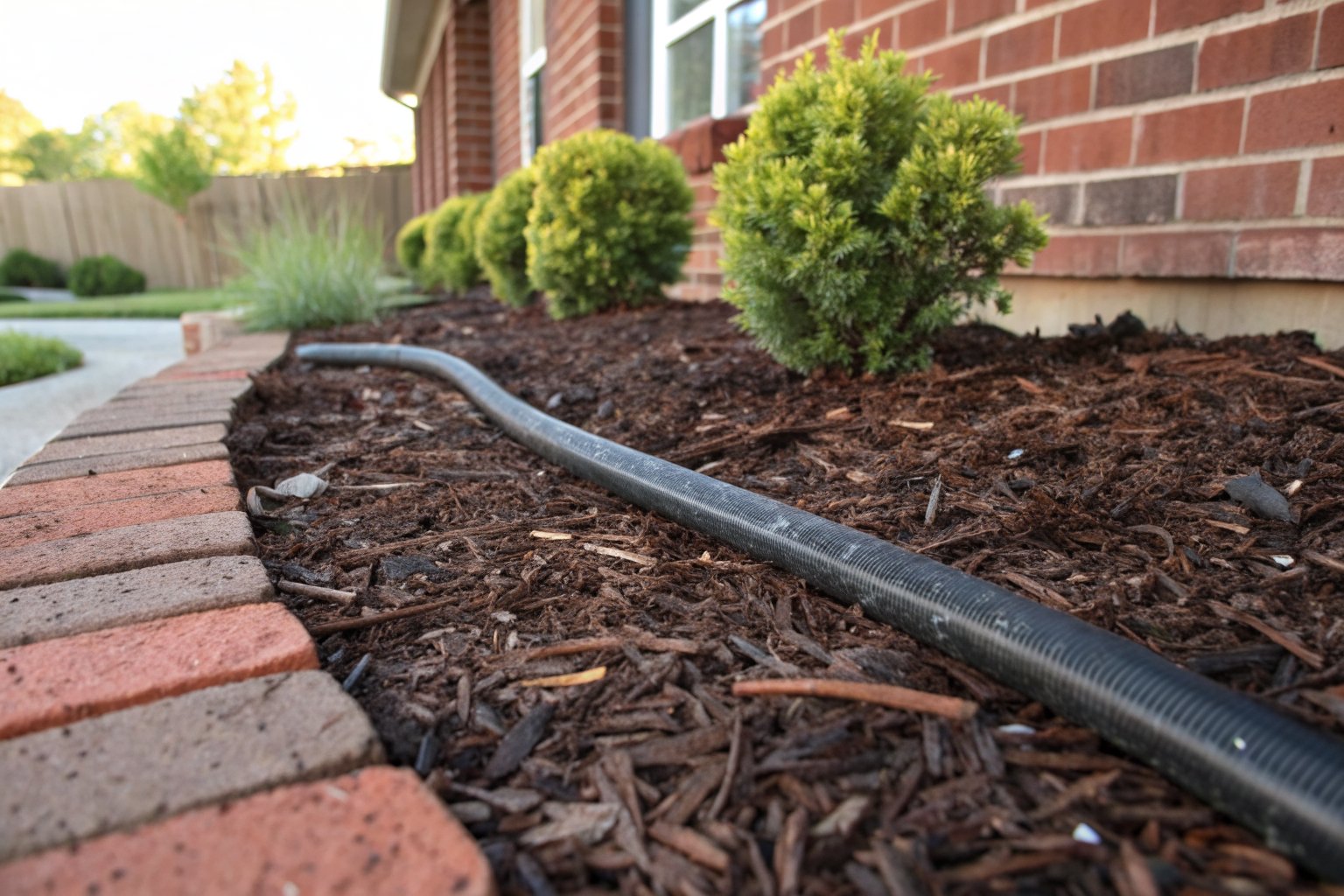
- Water led away. Gutter repairs, longer downspouts or regrading may be part of a plan, keeping rain off new supports.
What House Leveling Usually Costs
Every row here comes from a national home-cost site; no figure for Greenville, SC or the state exists, and we price nothing. Treat them as planning ranges, never a quote or bid.
| Cost row | Figure | Source (year) |
|---|---|---|
| House leveling | shims about $1,000 to $3,500; extensive underpinning about $10,000 to $20,000 | HomeGuide (2026) |
| Piers, per pier | about $1,000 to $3,000 | This Old House (2026) |
| Pier and beam repair | about $2,000 to $15,000 or more | HomeGuide (2026) |
Those ranges cross both state lines. South Carolina keeps no class for foundation repair; through the SC LLR Residential Builders Commission it registers specialty contractors once a job tops $500 and licenses residential builders past $5,000. Shim work can clear the first mark; extensive underpinning and most pier jobs clear the second. Ask which one the specialist holds, confirm it in the SC LLR licensee lookup and make sure the same name is on your contract.
How House Leveling Is Usually Done
- You send the details. Name the rooms that feel off and the foundation type. We give the request to one local foundation specialist, who replies if it can take it on.
- Readings and a walk around. The specialist measures floors, checks the supports and notes gutters, grading and slope.
- A written estimate, if leveling fits. Ask for one showing the number, type, depth and placement of piers, plus any shim, beam or drainage work. Plumbing goes to a state-licensed plumber under its own permit.
- Permits and the engineer question. Inside city limits, the City's Building & Permit Center lists repair and alteration work in its permit packet; confirm there. Outside them, Greenville County Building Safety (864-467-7060) is the office, and the County says altering or repairing a building calls for a permit. Ask whether a licensed professional engineer will look over the plan.
- Raising by small increments. The repair crew lifts gradually, rechecking floors, until the plan's final step.
Why Homeowners Choose House Leveling
The work aims to give the frame even support so floors sit flatter and doors and windows behave.
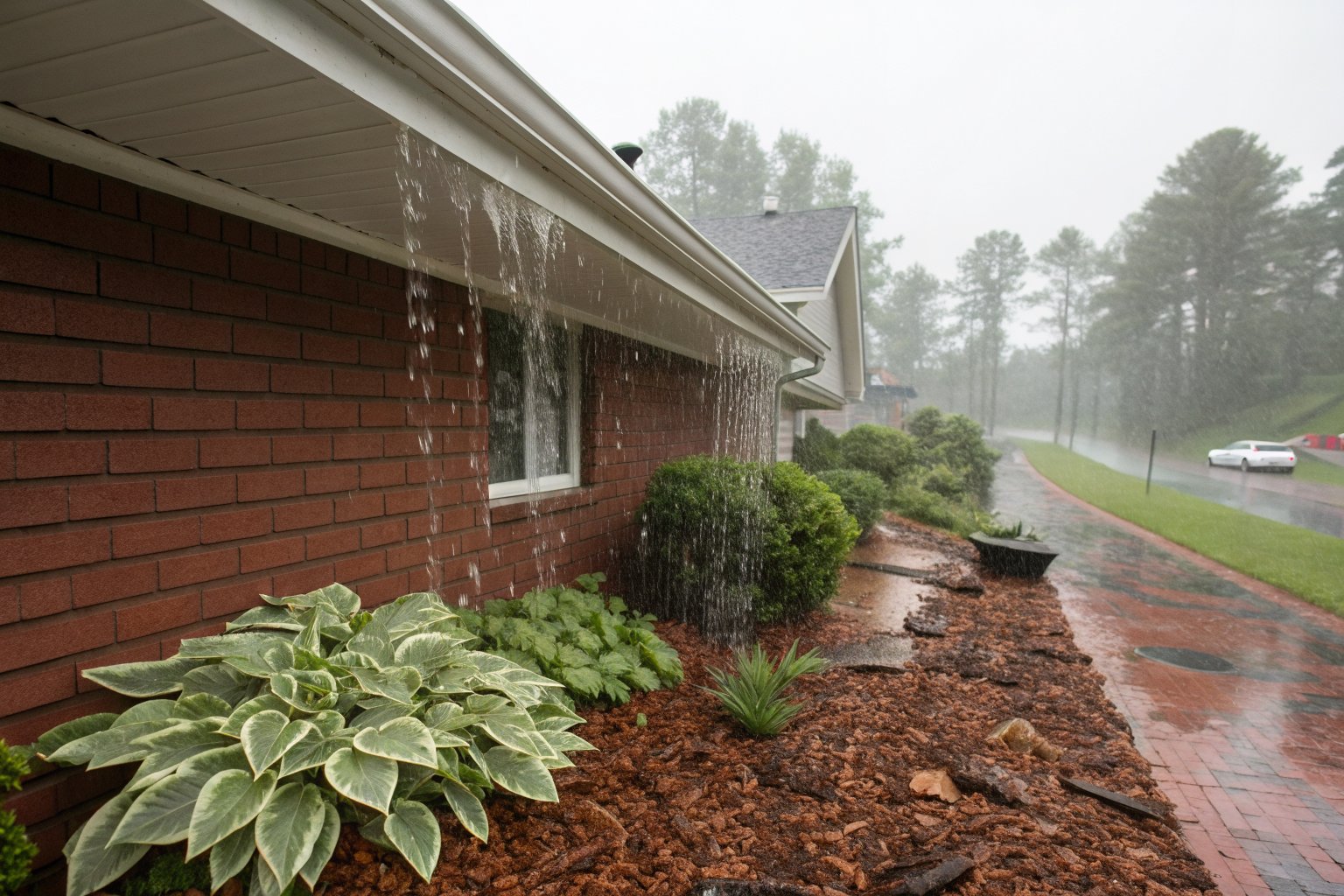
A lift that ignores the water around a house may not last. Across the Piedmont, USGS calls the thickness of saprolite, rock weathered in place, "extremely variable," so firm material can sit shallow at one corner and far deeper at the next; pier depth is set at the house, never from a map. Clayey ground can stay soaked beside a leaky downspout yet dry out under a big tree, and supports can move with it. That is why drainage belongs in a leveling plan.
Quick Answers on House Leveling
Can slab and pier-and-beam homes both be leveled?
Usually, by different routes: a slab rises from its edges on piers, while a raised floor is lifted from the crawl space and held on shims, posts or new piers. The specialist says which, if either, suits the house.
Is there a charge to send a request?
Nothing, and you aren't bound to anything. Find out from the specialist up front whether its visit or written estimate is billed.
What else matters inside Greenville, SC city limits?
The City's permit packet wants hired contractors to hold a license through the Residential Builders Commission or the Contractor's Licensing Board, and a current City business license. Ask the specialist about both.
Do landlords use the same form?
They do. About 41.1% of homes in the City of Greenville are owner-occupied, against about 68.9% countywide, per the Census, so many houses are rentals.
If House Leveling Isn't the Fit
If the cause is narrower, foundation crack repair, slab foundation repair, pier and beam repair or general foundation repair may suit it better, or no work may fit for now; the foundation warning signs quiz and cost calculator help too, though the calculator runs rough for shim work.
Send a House Leveling Request
Through the request form, tell us your address, which rooms feel uneven and what the house sits on, if you know. We pass it to a local foundation specialist; any visit and written estimate are the specialist's. The floor may be fine as it is; the choice stays yours. There is no cost to send a request.